
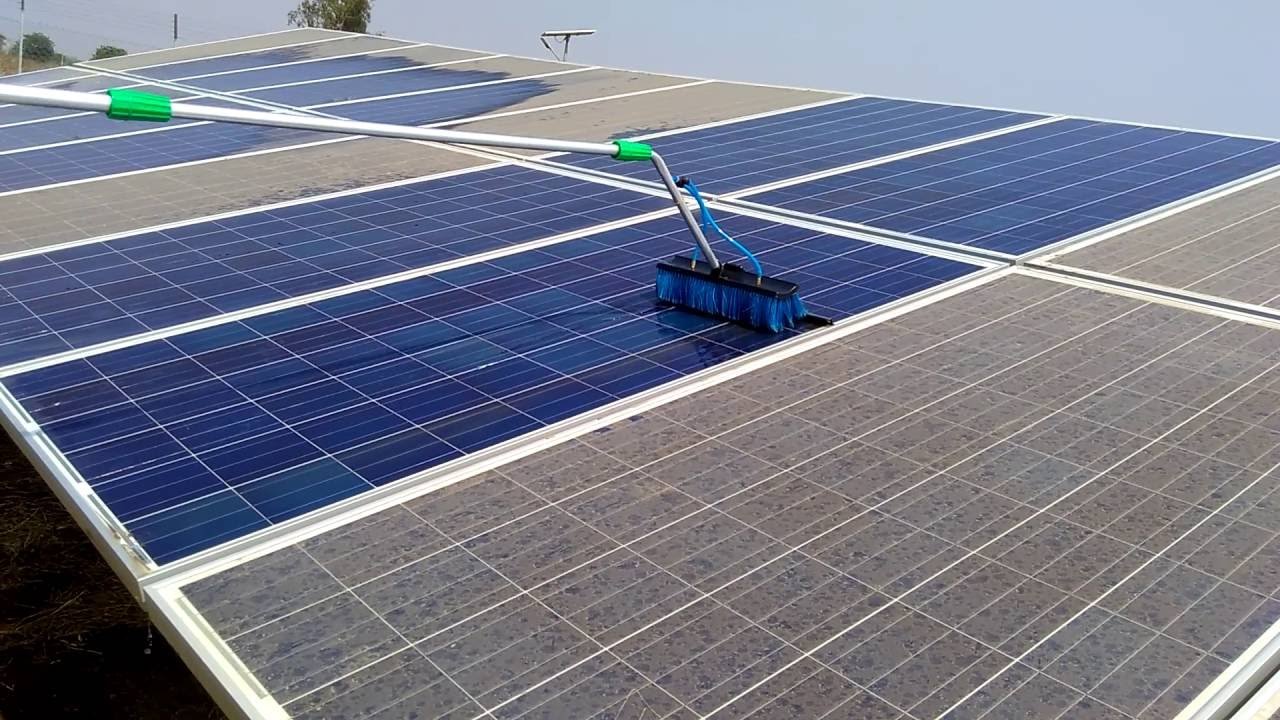
If you own solar panels in the Bay Area, you've probably noticed they don't stay clean for long. In fact, the Bay Area's unique environmental conditions create one of the most challenging soiling profiles for solar panels in California — and the financial impact is bigger than most homeowners realize.
The Bay Area's Unique Soiling Problem
Solar panel soiling refers to the accumulation of any material on the panel surface that reduces the amount of sunlight reaching the solar cells. While every region has some degree of soiling, the Bay Area combines several distinct soiling threats that compound each other:
1. Bird Droppings — The Worst Offender
The Bay Area's diverse bird population — from gulls near the coast to pigeons downtown to raptors in the hills — creates a constant soiling threat. Bird droppings are uniquely damaging for two reasons:
- Hot spots: A concentrated dropping blocks sunlight to a small area of cells, but the entire string of cells in that circuit is affected. Temperatures in the shaded cell spike dramatically, potentially causing permanent micro-cracks.
- Corrosive chemistry: Bird droppings are highly acidic. Left on panel glass for extended periods, they etch the anti-reflective coating — a form of damage that professional cleaning cannot fully reverse.
2. Wildfire Smoke and Ash
Bay Area wildfire seasons have intensified significantly since 2017. When fires burn in the hills or farther inland, fine particulates and ash settle on panel surfaces across the entire region — sometimes in a single day. Wildfire residue is particularly problematic because:
- The particles are extremely fine and bond tightly to glass surfaces
- The residue is mildly acidic and begins degrading coatings over time
- A single major fire event can reduce output by 15–30% or more
- Rain does not reliably remove ash — it often smears and bakes it on
⚡ After any wildfire event: Schedule professional cleaning within 2 weeks. Don't wait for your next scheduled service. The production loss and coating damage from ash compounds rapidly.
3. Coastal Salt Air
Properties within 10–15 miles of the coast — including much of San Francisco, the Peninsula, East Bay flatlands, and Marin — experience salt deposition from marine air. Salt deposits form a hazy mineral film on panel glass that:
- Scatters and blocks incoming sunlight
- Attracts and holds other particulates
- Cannot be removed by rain (salt concentration in rain is far lower than in marine air)
- Builds up faster in summer when marine layer is heaviest
4. Spring Pollen
The Bay Area's oak, pine, eucalyptus, and grass pollen seasons typically peak March through May. Pollen is fine, sticky, and accumulates rapidly on flat and low-tilt panel surfaces. A single heavy pollen day can measurably reduce output — and pollen sticks tenaciously to panel glass, requiring brush agitation to remove.
5. Construction and Traffic Dust
The Bay Area's decade-long construction boom means airborne dust from excavation, demolition, and concrete work is nearly constant across most urban and suburban areas. This fine particulate settles on all horizontal and low-angle surfaces — including your panels.
What Soiling Actually Costs You
| Soiling Level | Estimated Output Loss | Annual $ Loss (8kW system at $0.35/kWh) |
|---|---|---|
| Light (6 months since cleaning) | 5–10% | $200–$400 |
| Moderate (12 months) | 10–20% | $400–$800 |
| Heavy (18+ months) | 20–30%+ | $800–$1,200+ |
| Post-wildfire event | 15–35% | $600–$1,400 |
Estimates based on published soiling research and Bay Area utility rates averaging $0.35/kWh.
Why Rain Doesn't Fix It
A common misconception is that Bay Area rains keep panels clean. Rain does remove some loose surface dust — but it doesn't remove bird droppings, salt deposits, pollen, wildfire residue, or the mineral spots left behind when rainwater evaporates. In fact, rain often creates muddy streaks as it pushes particulates across panel surfaces, creating an uneven soiling pattern that's actually harder to assess visually.
The Right Cleaning Frequency for Bay Area Properties
- Inland/suburban properties: 2–3 times per year. Spring (after pollen), midsummer, and fall (after wildfire season).
- Coastal properties: 3–4 times per year. More frequent due to salt air deposition.
- Near large trees or bird roosts: 3–4 times per year, plus on-demand for heavy events.
- After any wildfire: Immediately — don't wait for your next scheduled cleaning.
The most accurate approach is to monitor your solar production data. If output drops unexpectedly during a period of consistent weather, soiling is almost certainly the cause. Production monitoring apps from SolarEdge, Enphase, SunPower, and others make it easy to track this monthly.
🌟 Bottom line: Bay Area solar panels face a unique combination of soiling threats that make regular professional cleaning a financial necessity — not just cosmetic maintenance. The cost of cleaning is almost always less than the value of the production you recover.